No products in the cart.
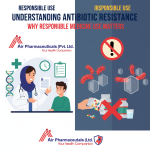
Antibiotics have saved millions of lives since their discovery, transforming once-deadly infections into treatable conditions. However, the misuse and overuse of these life-saving medicines have created one of the most serious public health threats of our time: antibiotic resistance. At Air Pharmaceuticals, we believe that education and responsible medicine use are key to preserving the effectiveness of antibiotics for future generations.
What is Antibiotic Resistance?
Antibiotic resistance occurs when bacteria evolve and develop the ability to defeat the drugs designed to kill them. When bacteria become resistant, antibiotics that once worked effectively no longer have any impact, making infections harder—or sometimes impossible—to treat.
This isn't just a theoretical concern. Antibiotic-resistant infections already cause hundreds of thousands of deaths globally each year, and the problem is growing. The World Health Organization (WHO) has declared antibiotic resistance one of the top 10 global public health threats facing humanity.
How Does Resistance Develop?
Bacteria are remarkably adaptable organisms. When exposed to antibiotics, most bacteria die—but some may have genetic mutations that allow them to survive. These resistant bacteria then multiply, passing their resistance genes to their offspring and even to other bacteria. Over time, resistant strains become dominant.
The Cycle of Resistance
- Antibiotic Exposure: Bacteria are exposed to antibiotics (through treatment or environmental contamination)
- Selection Pressure: Susceptible bacteria die, but resistant ones survive
- Multiplication: Resistant bacteria multiply rapidly in the absence of competition
- Gene Transfer: Resistance genes spread to other bacteria through various mechanisms
- Dominance: Resistant strains become the predominant form
The Global Impact of Antibiotic Resistance
The consequences of antibiotic resistance extend far beyond individual patients. It affects entire healthcare systems and societies:
🏥 Healthcare Burden
Longer hospital stays, more intensive care requirements, and increased healthcare costs
💊 Treatment Failures
Common infections becoming difficult or impossible to treat with standard antibiotics
⚕️ Surgical Risks
Routine surgeries becoming riskier due to potential untreatable post-operative infections
💰 Economic Impact
Billions in additional healthcare costs and lost productivity
🌍 Global Spread
Resistant bacteria don't respect borders—they spread internationally through travel and trade
⚠️ Future Threat
Risk of returning to a "pre-antibiotic era" where minor infections could be deadly
Common Causes of Antibiotic Resistance
Understanding what drives antibiotic resistance is the first step toward preventing it. Several factors contribute to this growing problem:
1. Overuse and Misuse in Human Medicine
- Unnecessary Prescriptions: Using antibiotics for viral infections like colds and flu (antibiotics don't work against viruses)
- Self-Medication: Taking antibiotics without proper medical consultation
- Incomplete Courses: Stopping antibiotics early when symptoms improve
- Wrong Dosage: Taking too little or too much medication
- Using Leftover Antibiotics: Taking old prescriptions for new illnesses
2. Agricultural Use
- Overuse of antibiotics in livestock and poultry farming
- Use of antibiotics as growth promoters in animals
- Contamination of water and soil with antibiotic residues
3. Healthcare-Associated Factors
- Inadequate infection prevention and control in healthcare facilities
- Poor sanitation and hygiene practices
- Lack of access to quality diagnostic tools
4. Lack of New Antibiotics
- Declining investment in antibiotic research and development
- Few new antibiotics entering the market
- Bacteria developing resistance faster than new drugs are developed
The Pakistan Context
In Pakistan, antibiotic resistance is a particularly pressing concern due to several factors:
- Easy Availability: Antibiotics are often available without prescription, leading to widespread self-medication
- Incomplete Treatment: Economic constraints sometimes lead patients to stop treatment early
- Limited Awareness: Many people don't understand the difference between bacterial and viral infections
- Healthcare Access: Limited access to qualified healthcare providers in some areas
- Counterfeit Medicines: Substandard or fake antibiotics that don't contain proper active ingredients
How to Use Antibiotics Responsibly
Everyone has a role to play in combating antibiotic resistance. Here's how you can use antibiotics responsibly:
For Patients and the Public
✅ DO:
- Consult a Doctor: Always get a proper diagnosis before taking antibiotics
- Complete the Course: Take the full prescribed course, even if you feel better
- Follow Instructions: Take antibiotics at the right time, in the right dose
- Ask Questions: Understand why you're being prescribed antibiotics and how to take them
- Prevent Infections: Practice good hygiene, get vaccinated, and maintain a healthy lifestyle
- Dispose Properly: Return unused antibiotics to a pharmacy—don't flush or throw in trash
❌ DON'T:
- Self-Medicate: Never take antibiotics without a prescription
- Demand Antibiotics: Don't pressure doctors to prescribe antibiotics for viral infections
- Share Medicines: Never share your antibiotics with others
- Use Leftovers: Don't use leftover antibiotics from previous illnesses
- Stop Early: Don't stop taking antibiotics when you feel better
- Skip Doses: Don't miss doses or take them irregularly
Understanding When Antibiotics Are Needed
One of the most important aspects of responsible antibiotic use is understanding when they're actually necessary.
Antibiotics Work For:
✅ Bacterial Infections
- Strep throat
- Urinary tract infections (UTIs)
- Bacterial pneumonia
- Bacterial skin infections
- Whooping cough
- Some ear infections
❌ Viral Infections (Antibiotics DON'T Work)
- Common cold
- Flu (influenza)
- Most coughs and bronchitis
- Most sore throats
- COVID-19
- Most ear infections
Important: Only a qualified healthcare provider can determine whether your infection is bacterial or viral and whether antibiotics are appropriate.
The Role of Healthcare Providers
Healthcare professionals play a crucial role in antibiotic stewardship:
- Accurate Diagnosis: Using diagnostic tests when appropriate to confirm bacterial infections
- Appropriate Prescribing: Prescribing antibiotics only when necessary
- Right Choice: Selecting the most appropriate antibiotic for the specific infection
- Correct Duration: Prescribing the right duration of treatment
- Patient Education: Explaining proper antibiotic use to patients
- Infection Prevention: Implementing proper hygiene and infection control measures
Air Pharma's Commitment to Antibiotic Stewardship
As a responsible pharmaceutical manufacturer, Air Pharmaceuticals is committed to combating antibiotic resistance through:
🏭 Quality Manufacturing
Producing high-quality antibiotics with consistent potency to ensure effective treatment and reduce the need for repeat courses
📚 Education Initiatives
Providing educational materials to healthcare professionals and the public about responsible antibiotic use
🤝 Healthcare Partnerships
Working with healthcare providers to promote antibiotic stewardship programs
♻️ Environmental Responsibility
Implementing proper waste management to prevent antibiotic contamination of the environment
📋 Clear Labeling
Providing clear, comprehensive information on proper antibiotic use with every product
🔬 Quality Assurance
Rigorous testing to ensure our antibiotics meet international quality standards
Preventing Infections: The Best Defense
The best way to avoid antibiotic resistance is to prevent infections in the first place. Here are effective prevention strategies:
Personal Hygiene
- Wash hands frequently with soap and water
- Cover your mouth and nose when coughing or sneezing
- Avoid touching your face with unwashed hands
- Keep wounds clean and covered
Food Safety
- Cook meat thoroughly
- Wash fruits and vegetables
- Avoid cross-contamination in the kitchen
- Refrigerate food properly
Vaccination
- Stay up-to-date with recommended vaccines
- Vaccines prevent many bacterial and viral infections
- Vaccinate children according to the national immunization schedule
Healthy Lifestyle
- Maintain a balanced diet
- Get adequate sleep
- Exercise regularly
- Manage stress
- Avoid smoking and excessive alcohol
What If Antibiotics Stop Working?
If we don't act now to preserve antibiotic effectiveness, we risk entering a post-antibiotic era where:
- Common infections could become life-threatening again
- Routine surgeries would carry significant infection risks
- Cancer chemotherapy would be more dangerous due to infection risks
- Organ transplants would become nearly impossible
- Childbirth complications could increase dramatically
- Minor injuries could lead to serious infections
This isn't science fiction—it's a real possibility if we don't change our antibiotic use practices now.
Frequently Asked Questions
Q: Can I stop taking antibiotics when I feel better?
A: No. Always complete the full prescribed course, even if symptoms improve. Stopping early can allow resistant bacteria to survive and multiply.
Q: Why won't my doctor prescribe antibiotics for my cold?
A: Colds are caused by viruses, and antibiotics only work against bacteria. Taking antibiotics for viral infections contributes to resistance without providing any benefit.
Q: Can I use antibiotics prescribed for someone else?
A: Never. Antibiotics are prescribed based on individual diagnosis, medical history, and specific infection type. What works for one person may not be appropriate for another.
Q: Are newer antibiotics always better?
A: Not necessarily. Your doctor will prescribe the most appropriate antibiotic for your specific infection, which may be an older, well-established drug.
Q: What should I do with leftover antibiotics?
A: Return them to a pharmacy for proper disposal. Don't keep them for future use, share them, or dispose of them in household trash or toilets.
The Way Forward
Combating antibiotic resistance requires a coordinated effort from everyone—patients, healthcare providers, pharmaceutical companies, policymakers, and agricultural sectors. Here's what needs to happen:
🏛️ Policy Level
- Strengthen regulations on antibiotic sales
- Implement antibiotic stewardship programs
- Invest in research and development
- Improve surveillance of resistant infections
🏥 Healthcare Level
- Better diagnostic tools
- Infection prevention protocols
- Antibiotic prescribing guidelines
- Continuous medical education
👥 Community Level
- Public awareness campaigns
- Education in schools
- Community health programs
- Accessible healthcare services
Every Action Counts
Antibiotic resistance is one of the most serious health threats we face, but it's not inevitable. Every time you use antibiotics responsibly, you're helping to preserve these life-saving medicines for future generations. Every time you prevent an infection through good hygiene, you're reducing the need for antibiotics altogether.
null
At Air Pharmaceuticals, we're committed to being part of the solution through quality manufacturing, education, and responsible pharmaceutical practices. But we need your partnership. Together, we can ensure that antibiotics remain effective for years to come.
Air Pharmaceuticals (Pvt) Ltd.0 Your Health Companion
Committed to Responsible Healthcare
Take the Pledge
Commit to using antibiotics responsibly:
- ✓ I will only take antibiotics prescribed by a qualified healthcare provider
- ✓ I will complete the full course of treatment
- ✓ I will never share my antibiotics with others
- ✓ I will practice good hygiene to prevent infections
- ✓ I will educate my family about responsible antibiotic use
Learn More About Responsible Medicine Use
Have questions about antibiotics or other medications? Consult with a qualified healthcare provider.